

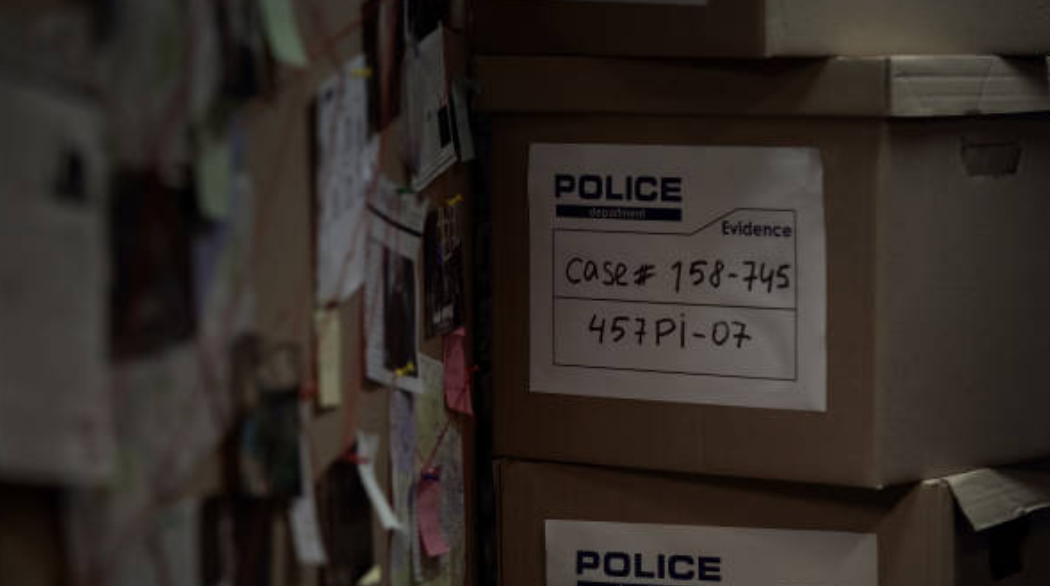
An allegation that drugs were found, a message was sent, or another person made an accusation isn’t the same as proof of every element of a criminal charge. In a distribution case, the central questions are often who controlled the substance, whether that person knew it was there, what the substance actually was, what the communications meant, and how law enforcement obtained the evidence. Those questions don’t answer themselves, and the prosecution’s theory of the case isn’t the only theory worth examining.
At Rachel A. Michael, LLC, our team includes former prosecutors and public defenders. That background lets us examine a case from both sides: the theory a prosecutor may build from circumstantial evidence and the gaps, inconsistencies, or legal issues that could create reasonable doubt.
What Prosecutors Must Prove in a Colorado Trafficking Case
Colorado addresses trafficking-related conduct primarily through drug distribution offenses rather than a standalone trafficking label. Under Colorado Revised Statutes 18-18-405, charges may involve knowingly manufacturing, dispensing, selling, distributing, conspiring to distribute, or possessing a controlled substance with intent to distribute.
Prosecutors must connect the accused person to the substance and the alleged conduct. Proximity, association, or quantity alone doesn’t settle every question. Several distinct facts are commonly disputed in a distribution case:
- Knowledge: Whether the person knew the substance was present and understood its nature.
- Possession or Control: Whether the person actually possessed the substance or had the ability and intent to control it.
- Identity and Amount: Whether the material was a controlled substance and whether the reported weight is reliable.
- Intent to Distribute: Whether the facts support distribution rather than personal use, an innocent explanation, or no connection to the substance at all.
A large quantity, multiple packages, cash, or messages may be circumstantial evidence, meaning a jury is being asked to draw an inference from those facts. They can matter, but they don’t automatically establish intent to distribute or identify who possessed the drugs.
Evidence That Can Challenge Knowledge, Possession, or Intent
Possession gets complicated when drugs are found in a shared residence, vehicle, storage unit, or workspace. Constructive possession means alleging that someone had the power and intent to control an item even though it wasn’t on their person. Being near something isn’t, by itself, proof of that control.
In a shared home or vehicle, investigators may look for ownership records, keys, fingerprints, location data, statements, or personal belongings near the drugs. But access by roommates, passengers, relatives, or other visitors creates a genuine factual issue the prosecution has to account for. Receipts, lease records, work schedules, travel records, surveillance footage, and witness accounts can all test whether the prosecution’s claim about who knew what was stored in a particular place actually holds up.
Intent to distribute is frequently inferred from circumstances. Packaging materials, scales, cash, communications, travel patterns, or alleged customer contacts may be offered to support that inference. Each item needs context: whether it actually connects to the accused and whether it has an explanation unrelated to sales. Evidence to challenge these inferences can include messages that contradict the alleged timeline, employment records that explain cash deposits, receipts that identify a different purchaser, or location data that places someone elsewhere.
Challenging the Drug & Forensic Evidence
The prosecution must reliably establish what was seized. Forensic drug analysis identifies a substance and, when relevant, determines its weight or composition. A field test, an officer’s description, or the appearance of a material doesn’t answer every question that laboratory testing is meant to resolve.
Chain of custody is the documented record of who collected, handled, stored, transferred, and tested an item. Unexplained gaps, mislabeled items, storage problems, or conflicting weights raise questions about whether the tested material is the same material that was allegedly seized. Case-specific review may focus on:
- Collection Records: Whether reports identify where, when, and from whom each item was recovered.
- Weight Measurements: Whether weights changed, included packaging, or were recorded consistently.
- Laboratory Methods: Whether the testing method and sampling process support the conclusion offered.
- Handling Documentation: Whether transfers, storage, and testing are sufficiently documented.
When the Search or Investigation Can Be Challenged
Evidence can be persuasive and still be subject to a legal challenge if officers obtained it unlawfully. A motion to suppress asks the court to exclude evidence obtained in violation of constitutional or procedural rules. It isn’t an argument that the evidence is inaccurate. It’s an argument about whether the government may use it at all.
Probable cause requires facts that would lead a reasonable person to believe a crime occurred or that evidence of a crime will be found in a particular place. Whether it existed depends on the specifics of a traffic stop, a search warrant affidavit, an arrest, or a search of a home or vehicle. Consent searches raise questions about who gave permission, whether that person had authority over the area searched, whether consent was voluntary, and whether officers stayed within its scope. Warrant cases can involve questions about what information was presented to the judge, the reliability of sources, and whether the search stayed within what the warrant authorized.
Statements made during questioning require separate analysis. Miranda warnings advise a person of the right to remain silent and the right to consult with an attorney before custodial questioning. Whether warnings were required, understood, and properly given depends on whether the person was in custody and whether officers were interrogating them, questions that aren’t always as straightforward as they appear in the record.
How Witnesses, Informants, & Communications Are Tested
A confidential informant or cooperating witness may provide leads, make controlled purchases, identify alleged participants, or interpret communications. Those witnesses may also have pending charges, expectations of favorable treatment, financial incentives, personal conflicts, or reasons to shift responsibility onto someone else. Their account should be compared against objective records rather than accepted without scrutiny. Prior inconsistent statements, phone records, surveillance footage, dispatch logs, or documents that conflict with a witness’s timeline all bear on credibility, which matters because a single witness is often central to proving knowledge, identity, intent, or an alleged agreement between multiple people.
Messages and recorded calls can be powerful evidence, but they aren’t self-explanatory. The prosecution must connect a communication to the person alleged to have sent it and establish that the words mean what they claim. Slang, incomplete conversations, shared devices, access by another person, and missing portions of a thread can all affect interpretation. Financial records and surveillance require the same kind of context: a cash transaction, a meeting, or travel to a location may be consistent with an allegation, but without reliable evidence tying the event to a drug transaction, "consistent with" isn’t the same as "proof."
Entrapment, duress, and lack of knowledge aren’t interchangeable arguments. Entrapment concerns improper government inducement to commit a crime a person wouldn’t otherwise have committed. Duress involves conduct compelled by a specific and immediate threat. Both depend on specific facts, and both are different from simply holding the prosecution to its burden of proof, which is its own legitimate strategy.
What the Evidence Actually Has to Prove
The existence of drugs, messages, cash, surveillance, or a witness statement doesn’t end the analysis. The real question is whether the evidence, lawfully obtained and reliably preserved, proves knowledge, possession, identity, and intent beyond a reasonable doubt. Those are four separate elements, and each one has to be established independently.
People facing these allegations benefit from a careful review before the prosecution’s narrative hardens into the only version of events. Our team at Rachel A. Michael, LLC can assess the available evidence through a collaborative process informed by former prosecutor and public defender experience on both sides of these cases. To discuss a drug distribution or trafficking accusation, contact us at (970) 616-6668.